Culture
Top 5 Trending Travel Experiences in Azerbaijan for 2026
From the ancient fire temples of the Absheron Peninsula to the powder slopes of Shahdag, Azerbaijan is redefining itself as one of 2026's most exciting travel destinations. Here are the five experiences every traveller is talking about.

Trip8Apr 13 • 6 min read
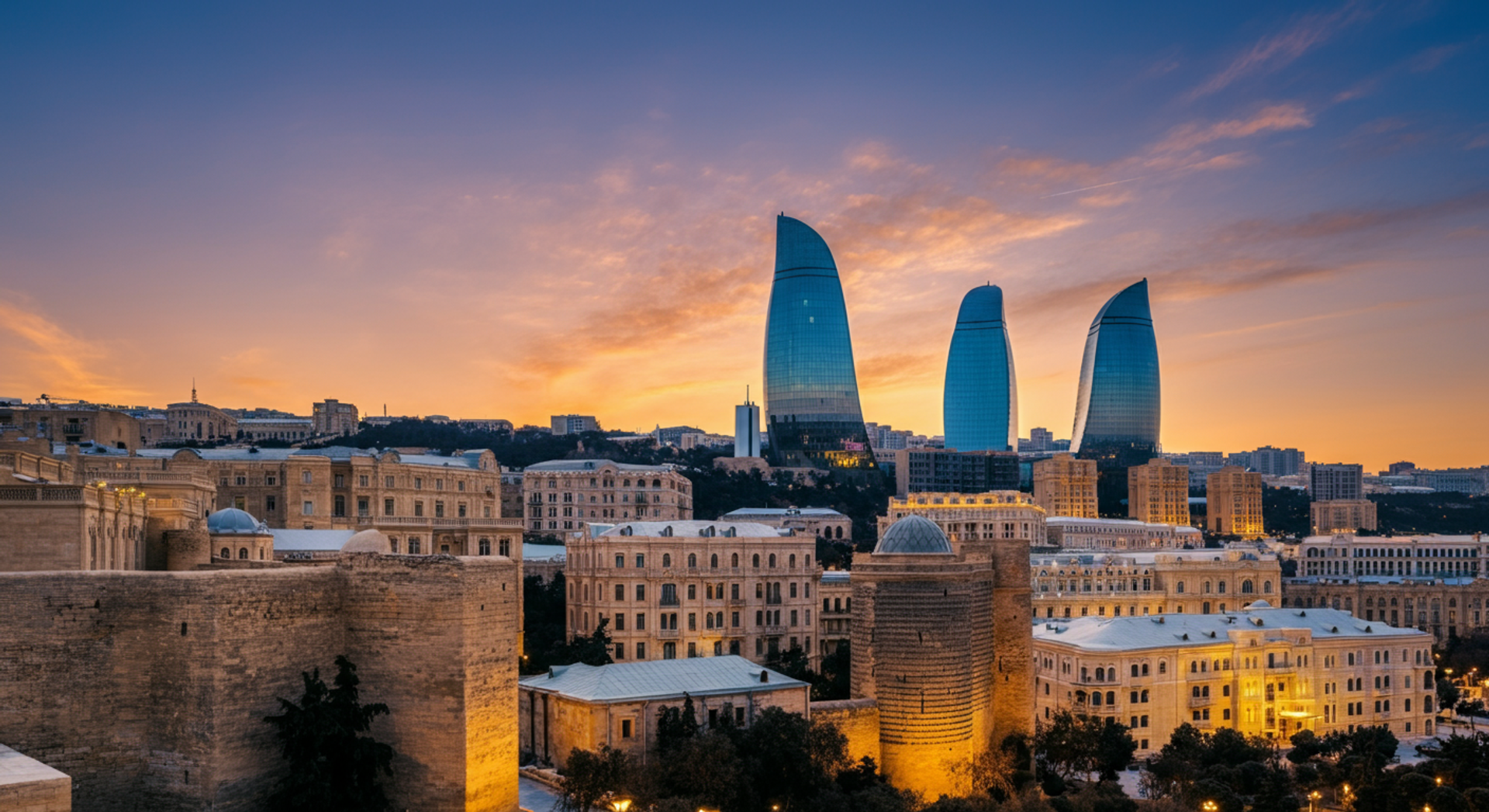
Photo by AskAzerbaijan
Azerbaijan — the Land of Fire — sits at the crossroads of Europe and Asia, and in 2026 it is firmly on the global travel radar. With new flight connections, a streamlined e-visa process, and a tourism industry pivoting toward high-quality authentic experiences, the country is welcoming a new wave of curious, independent travellers. Whether you are drawn by ancient history, mountain adventure, or cutting-edge city culture, these five trending experiences capture exactly why Azerbaijan deserves a spot on your bucket list this year.
1. Exploring Baku's UNESCO Old City & Flame Towers
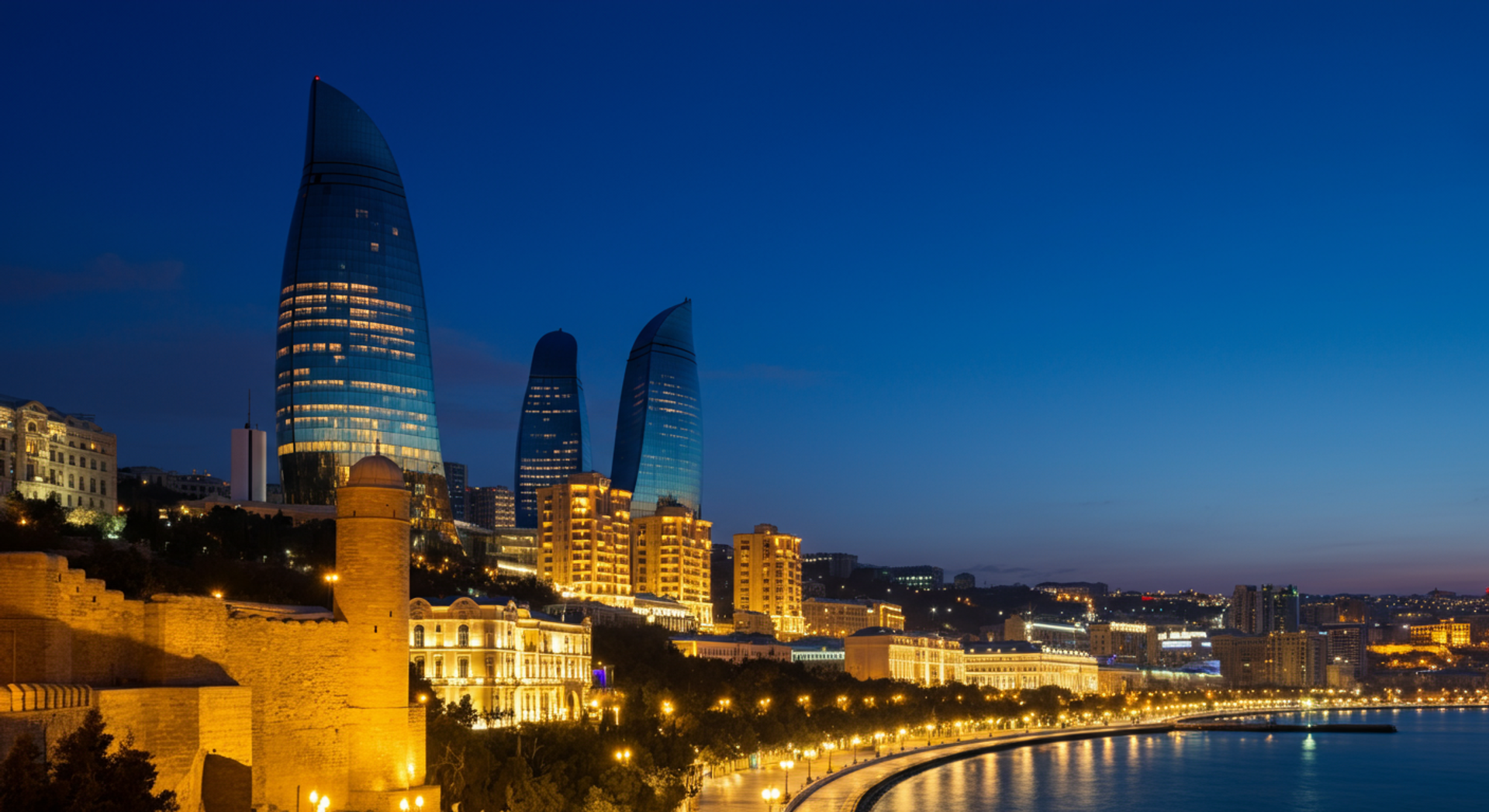
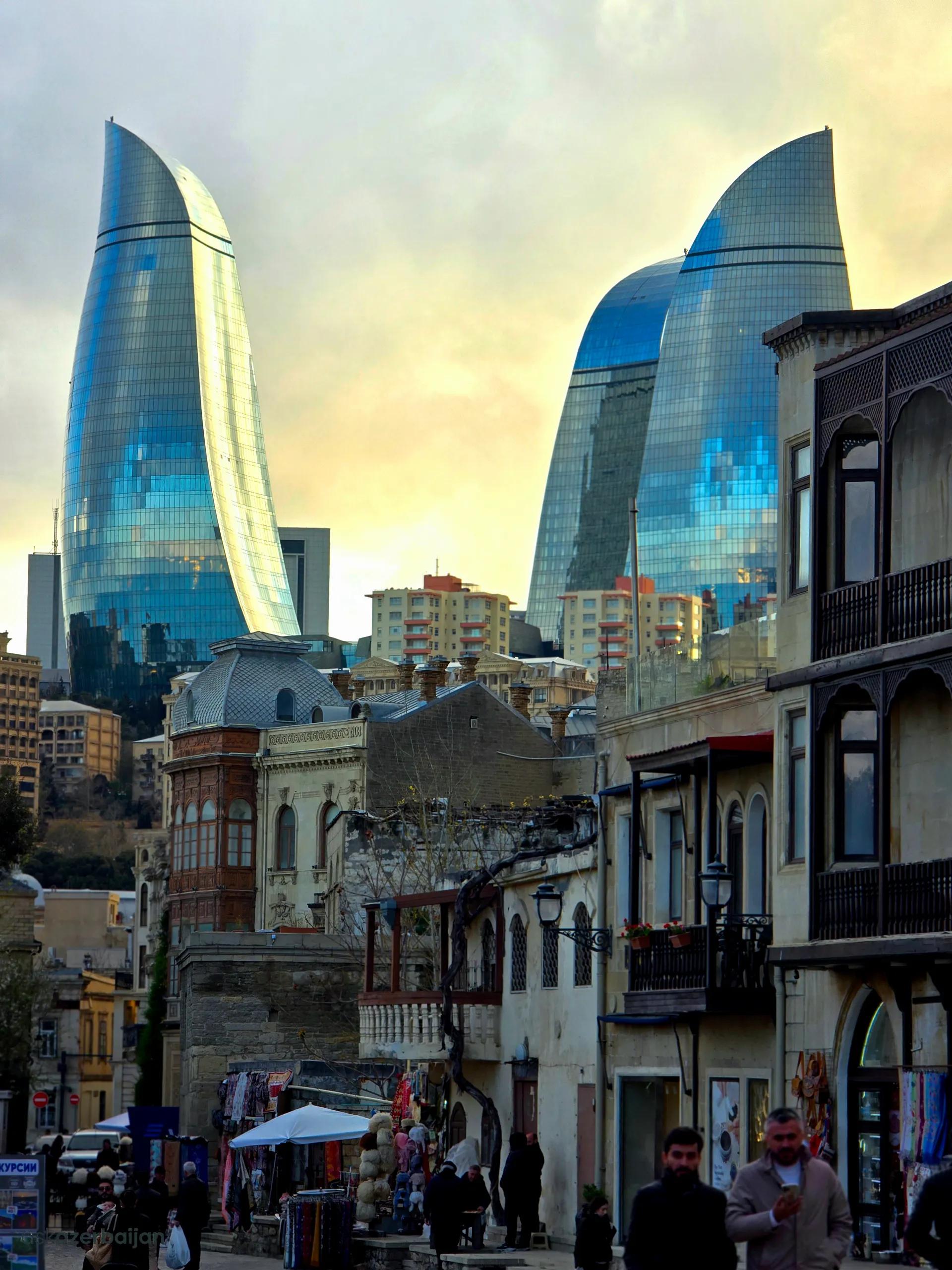
Baku remains the undisputed starting point for any Azerbaijan journey, but in 2026 travellers are going deeper than the postcard shots. The walled Icherisheher (Old City) — a UNESCO World Heritage Site — rewards slow exploration: the 12th-century Maiden Tower, the Palace of the Shirvanshahs, and labyrinthine cobblestone alleys lined with carpet shops and tea houses. As dusk falls, the iconic Flame Towers ignite in a choreographed LED display that mirrors the country's ancient Zoroastrian fire heritage. Combine a guided Old City walking tour with a sunset stroll along Baku Boulevard for the perfect introduction to the capital.
Best time: April–June or September–October. Guided Old City tours run daily and cost around 20–40 AZN per person.
2. Gobustan National Park: Petroglyphs & Mud Volcanoes
Just 60 km south of Baku, Gobustan National Park is one of Azerbaijan's most extraordinary natural and archaeological sites — and it is trending hard in 2026. The park shelters over 6,000 rock carvings dating back 40,000 years, depicting hunters, boats, and ritual dances that offer a window into prehistoric Caucasian life. A short drive away, the world's largest concentration of mud volcanoes bubbles and gurgles across a lunar landscape, drawing visitors fascinated by their otherworldly appearance and reputed healing properties. The combination of deep history and surreal geology makes Gobustan an unmissable half-day trip from the capital.
Best time: Year-round, though spring and autumn avoid the summer heat. Entry to the rock art reserve costs 10 AZN; mud volcanoes are free to visit.
3. Gabala: Adventure & Nature in the Greater Caucasus
Nestled in the foothills of the Greater Caucasus, Gabala has evolved from a quiet regional town into Azerbaijan's premier adventure destination. In 2026, travellers are flocking here for cable car rides above dense beech forests, white-water rafting on the Damiraparan River, zip-lining, and archery at dedicated outdoor centres. The surrounding landscape — lush green valleys, rushing rivers, and snow-capped peaks — provides a dramatic backdrop for hiking trails that range from gentle forest walks to challenging ridge routes. Luxury eco-resorts and boutique guesthouses have sprung up to meet demand, making Gabala equally appealing for those who want adventure by day and comfort by night.
Best time: May–October for outdoor activities; the Gabala International Music Festival (July) adds a cultural dimension. Baku to Gabala is roughly 3.5 hours by road or 1 hour by domestic flight.
4. Shahdag Mountain Resort: Skiing, Snowboarding & Alpine Luxury
Azerbaijan's answer to the Alps, Shahdag Mountain Resort in the Gusar district has become a serious winter sports destination. With 18 ski runs spanning beginner to expert levels, modern gondola lifts, and a growing collection of four- and five-star mountain hotels, Shahdag is attracting skiers and snowboarders from across the region and beyond. But the resort is not just a winter proposition — summer visitors come for mountain biking, hiking, and the sheer drama of the Caucasus scenery. The resort's investment in year-round infrastructure is one of the clearest signs of Azerbaijan's ambition to compete on the global adventure tourism stage.
Ski season runs December–March. Lift passes start at around 40 AZN per day. The resort is approximately 4 hours from Baku by road.
5. Authentic Cultural Immersion: Sheki, Carpets & Cuisine
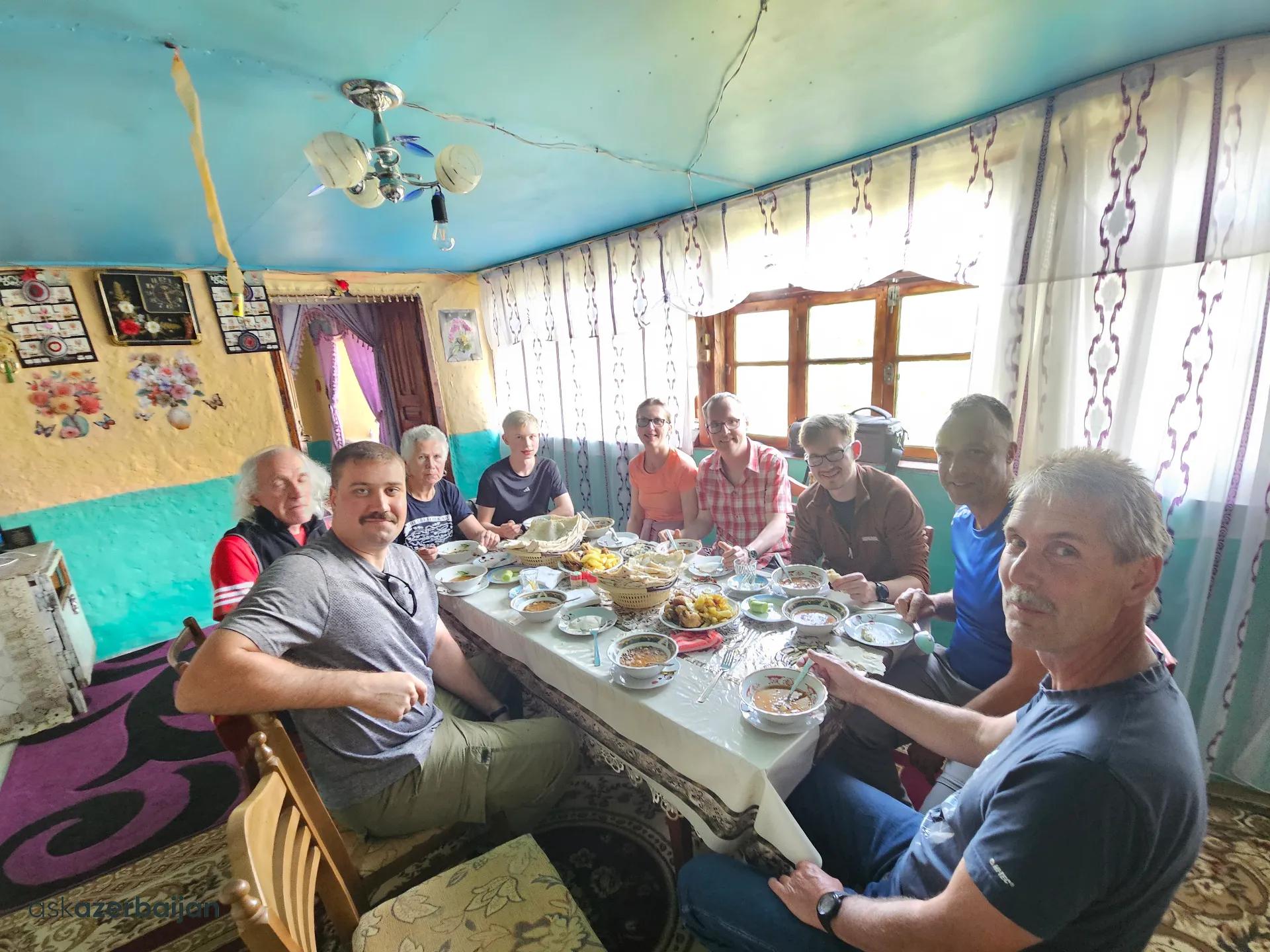
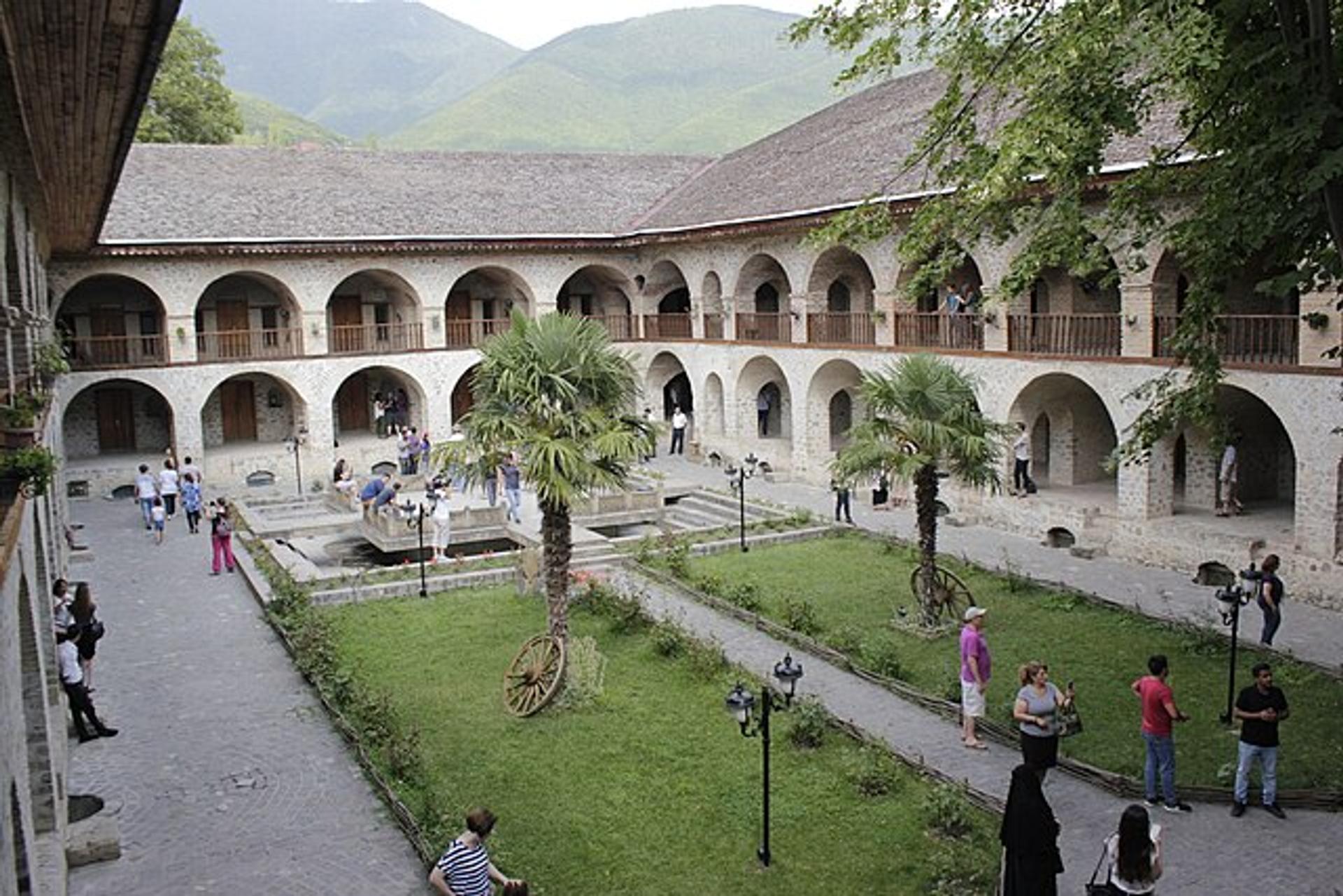
For travellers seeking depth over spectacle, the ancient Silk Road city of Sheki is 2026's most talked-about cultural discovery. The Khan's Palace — adorned with intricate shebeke stained-glass windows and vivid frescoes — is one of the most beautiful buildings in the entire Caucasus. Sheki is also the home of piti (a slow-cooked lamb and chickpea stew served in individual clay pots) and pakhlava, the local take on baklava. Beyond Sheki, Azerbaijan's carpet-weaving tradition — recognised by UNESCO — is experiencing a renaissance, with workshops in Quba and Ganja offering hands-on weaving experiences. Destination weddings and group cultural tours centred on craft, cuisine, and community are among the fastest-growing travel segments in the country.
Sheki is about 5 hours from Baku by road or reachable by train. Spring and autumn are ideal for the journey through the Caucasus foothills.
Plan Your Azerbaijan Adventure
Azerbaijan's e-visa system makes entry straightforward for most nationalities, with approvals typically granted within 3–5 business days. Spring (April–June) and autumn (September–November) offer the most comfortable temperatures for exploring the country's diverse landscapes. Whether you are a first-time visitor or returning to discover a new corner of this remarkable country, 2026 is shaping up to be Azerbaijan's most exciting year yet for travel.