Culture
Top Things to Do in Shaki, Azerbaijan - A Local Expert's Guide
Nestled in the foothills of the Greater Caucasus Mountains, Shaki stands as one of Azerbaijan's most enchanting cultural gems. This ancient Silk Road city, with its UNESCO-listed palace, centuries-old caravanserais, and legendary culinary traditions, offers travelers an authentic glimpse into the rich tapestry of Azerbaijani heritage. From the mesmerizing stained glass windows of the Khan's Palace to the aromatic clay pots of traditional piti, Shaki invites you to step back in time and experience the warmth of true Caucasian hospitality.

Trip8Feb 11 • 15 min read
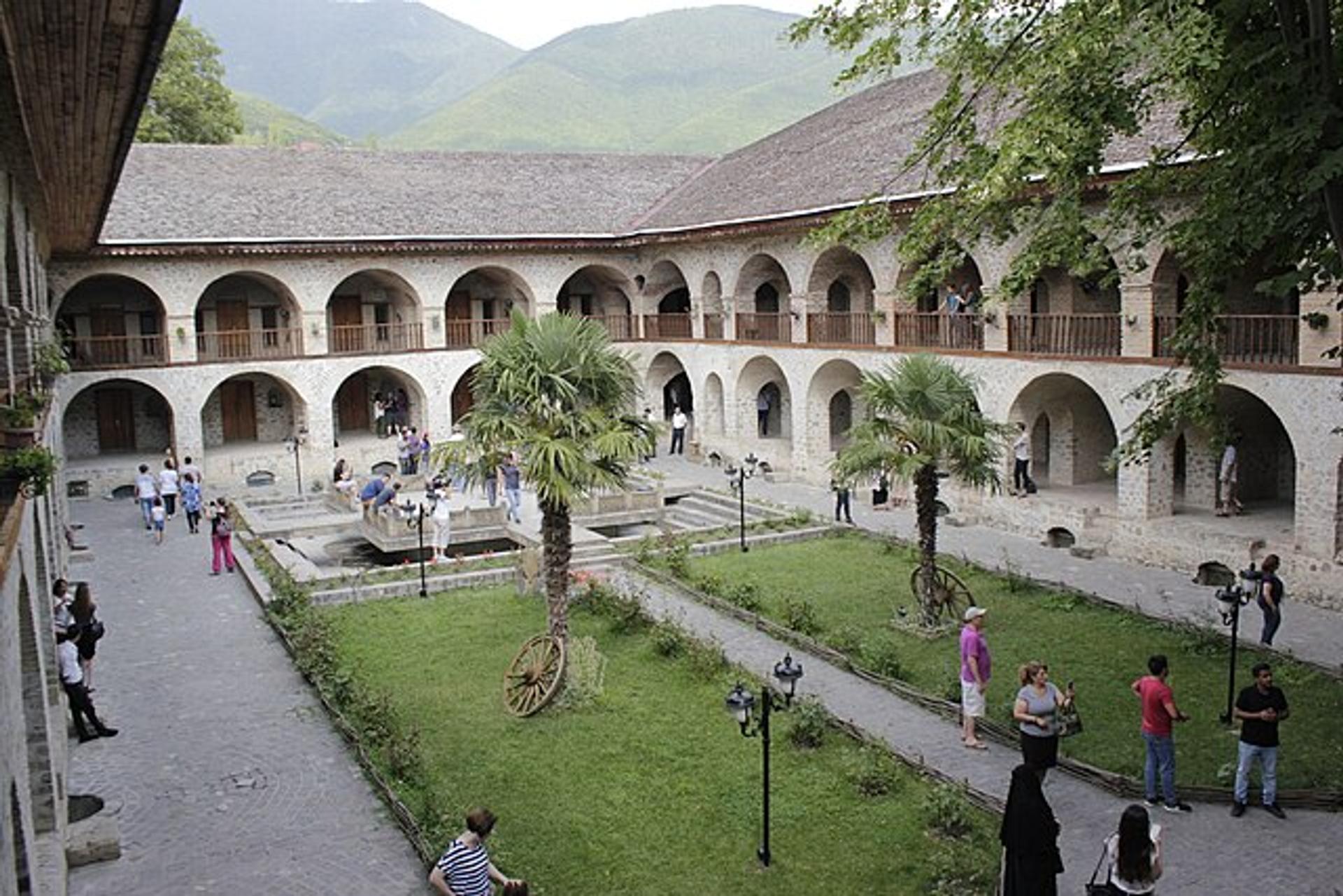
Photo by AskAzerbaijan
As someone who has spent years exploring every cobblestone street and hidden corner of Shaki, I can tell you that this northwestern Azerbaijani city is unlike anywhere else in the country. Perched at the foothills of the Greater Caucasus Mountains, Shaki has been a vital stop along the ancient Silk Road for over 2,700 years. Today, it remains a living museum where centuries-old traditions blend seamlessly with the rhythms of modern life.
The city's terracotta-roofed houses cascade down hillsides, framed by walnut groves and plane trees. The air carries the sweet scent of halva from local confectioneries, while the distant sound of coppersmiths' hammers echoes through narrow lanes. This is Shaki—a place where history isn't just preserved; it's lived every single day.
Marvel at the Shaki Khan's Palace
No visit to Shaki is complete without experiencing the breathtaking Khan's Palace, a UNESCO World Heritage Site that represents the pinnacle of 18th-century Azerbaijani architecture. Built in 1762 by Haji Chelebi, this two-story summer residence of the Shaki Khans will leave you absolutely spellbound.
What makes this palace truly extraordinary are the shebeke windows—intricate stained glass mosaics assembled entirely without glue or nails. Craftsmen fitted thousands of hand-cut colored glass pieces into wooden frames with such precision that they've held firm for over 250 years. When sunlight streams through these windows, the interior rooms transform into kaleidoscopes of ruby, sapphire, and emerald light.
The palace walls are adorned with vibrant frescoes depicting hunting scenes, floral patterns, and geometric designs. Each room tells a story of the khans' power and the artistic sophistication of the era. I recommend visiting in the late afternoon when the setting sun creates the most dramatic light effects through the shebeke windows.
Step Back in Time at the Shaki Caravanserai
Just a short walk from the palace, you'll find the beautifully restored Upper and Lower Caravanserais, dating back to the 18th century. These fortified merchant inns once provided shelter for Silk Road traders and their camel caravans, offering a secure place to rest, conduct business, and store valuable goods.
The Upper Caravanserai has been converted into a charming hotel where you can actually spend the night in rooms that once hosted Persian silk merchants and Chinese tea traders. The central courtyard, surrounded by two levels of arched chambers, creates an atmosphere that transports you straight back to the days when Shaki was a bustling commercial hub connecting East and West.
Even if you're not staying overnight, take time to explore the architecture—the thick stone walls, vaulted ceilings, and the ingenious ventilation system that kept rooms cool during scorching summers. The Lower Caravanserai now houses craft shops and small cafes, perfect for a refreshing break.
Discover Traditional Crafts at Local Workshops
Shaki has been a center of craftsmanship for centuries, and these traditions continue to thrive in workshops scattered throughout the old town. Watching master artisans at work is one of the most rewarding experiences the city offers.
Silk weaving has been practiced here since ancient times, and you can visit workshops where craftspeople still use traditional looms to create exquisite fabrics. The rhythmic clacking of the loom and the sight of colorful threads transforming into intricate patterns is mesmerizing. Many artisans are happy to explain their techniques and even let you try your hand at weaving.
The pottery workshops are equally fascinating. Local potters shape clay using methods passed down through generations, creating everything from decorative plates to the distinctive clay pots used for cooking piti. The coppersmith quarter resonates with the sound of hammers shaping copper into ornate trays, jugs, and decorative items. These aren't tourist demonstrations—these are working craftspeople producing items for local use and sale.
Savor Authentic Shaki Piti and Famous Halva
Shaki's culinary heritage is legendary throughout Azerbaijan, and two dishes in particular have made the city famous: piti and halva.
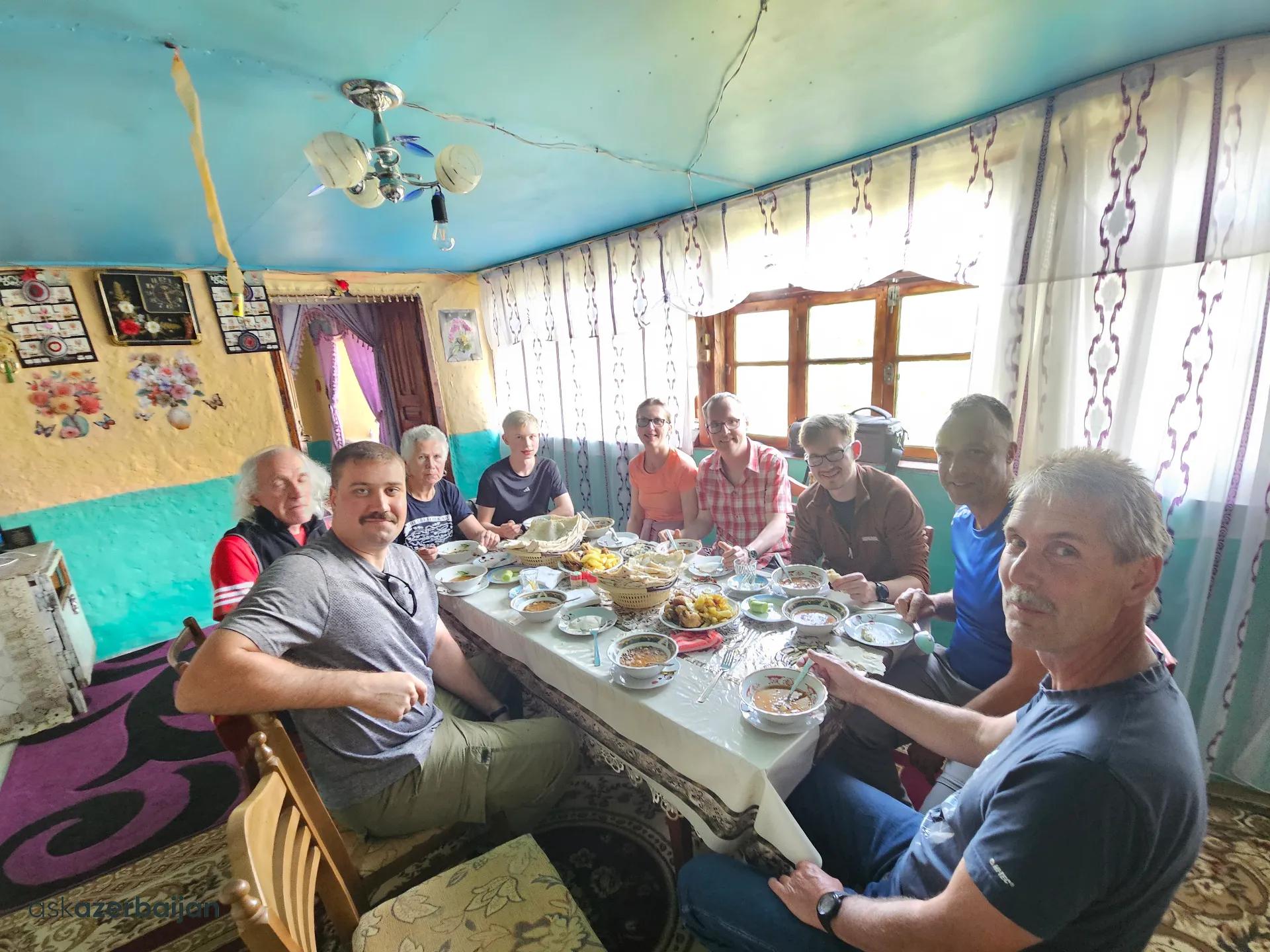
Piti is a traditional lamb stew slow-cooked overnight in individual clay pots sealed with dough. The ritual of eating piti is an experience in itself. First, you break the seal and pour the rich broth into a bowl, crumbling in pieces of flatbread to create a soup. Then you mash the tender lamb, chickpeas, chestnuts, and vegetables remaining in the pot, eating this mixture with fresh herbs and more bread. The flavors are deep, complex, and utterly satisfying. Head to one of the traditional piti houses in the old town for the most authentic experience.
Shaki halva is another matter entirely—a delicate, multi-layered confection made from rice flour, sugar, nuts, and saffron. Unlike the dense, tahini-based halva found elsewhere, Shaki halva is light, crispy, and almost translucent. The best halva makers guard their recipes jealously, and each family claims theirs is the original. Visit several confectioneries to sample different versions—I guarantee you'll want to take boxes home as gifts.
Visit the Ancient Albanian Church in Kish
Just five kilometers north of Shaki lies the village of Kish, home to one of the oldest and most significant churches in the Caucasus region. The Church of Kish, also known as the Albanian Church, dates back to the 1st century AD, though the current structure was built in the 12th century.
This isn't just a historical monument—it's a testament to the region's rich Christian heritage under the ancient Caucasian Albanian kingdom. The church's simple yet elegant architecture, with its distinctive conical dome and stone walls, stands in a peaceful setting surrounded by mountains. Recent archaeological excavations have uncovered fascinating artifacts and burial sites that shed light on early Christianity in the Caucasus.
The small museum inside displays findings from the excavations, including ancient pottery, jewelry, and religious artifacts. The serene atmosphere and historical significance make this a must-visit for anyone interested in the region's diverse cultural heritage.
Explore the Shaki History Museum
To truly understand Shaki's place in Azerbaijani history, spend a few hours at the Shaki History Museum. Housed in a historic building near the city center, the museum offers a comprehensive journey through the region's past, from ancient times to the modern era.
The collection includes archaeological finds from local excavations, traditional costumes, musical instruments, weapons, and household items that illustrate daily life through the centuries. One section is dedicated to the Silk Road trade, displaying samples of the silk fabrics that made Shaki wealthy. Another highlights the city's role in various historical periods, including the Shaki Khanate era.
The museum staff are knowledgeable and often happy to share stories and details not found on the display labels. It's an excellent way to contextualize everything else you'll see in the city.
Wander Through the Old Town's Cobblestone Streets
Some of my favorite moments in Shaki come from simply wandering without a map through the old town's maze of narrow, cobblestone streets. This is where you'll discover the authentic rhythm of local life.
Traditional neighborhoods feature houses with distinctive architecture—wooden balconies, carved doors, and red-tiled roofs. Elderly residents sit on benches outside their homes, always ready for a friendly chat. Children play in small courtyards while the aroma of home-cooked meals wafts from open windows.
Look for the small neighborhood mosques, each with its own character and history. Notice the intricate metalwork on gates and the colorful gardens bursting with roses, pomegranates, and grape vines. These streets tell stories that no guidebook can fully capture—you have to experience them yourself.
Enjoy Panoramic Mountain Views
Shaki's location at the base of the Greater Caucasus Mountains provides spectacular viewpoints that showcase both the city and the surrounding landscape. The best panoramic views can be found from several spots around the city.
The area around the Khan's Palace offers elevated views over the lower town, with the mountains rising dramatically in the background. For even more impressive vistas, take a short drive or hike up into the foothills. From these heights, you can see the entire city spread out below, its terracotta roofs glowing in the sunlight, surrounded by forests and agricultural valleys.
Sunset is particularly magical, when the mountains turn shades of purple and gold, and the city lights begin to twinkle. Bring a camera—these views are unforgettable.
Browse Local Bazaars for Handicrafts and Sweets
The local bazaars in Shaki are vibrant, colorful affairs where you can find everything from fresh produce to handmade crafts. The main bazaar is a sensory overload in the best possible way—vendors calling out their wares, the scent of fresh herbs and spices, pyramids of seasonal fruits, and stalls piled high with local specialties.
This is the perfect place to shop for authentic souvenirs. Look for hand-woven textiles, copper items, traditional ceramics, and of course, boxes of Shaki halva. Many vendors sell locally produced honey, jams made from mountain berries, and dried fruits. The nut section is particularly impressive, with varieties you won't find elsewhere.
Don't be shy about bargaining—it's expected and part of the fun. The vendors are friendly and often offer samples of their products. Even if you're not buying, the bazaar is worth visiting just to soak up the atmosphere and observe daily life.
Experience Natural Beauty: Waterfalls and Forests
Beyond its cultural attractions, Shaki is blessed with stunning natural surroundings. The region's forests, waterfalls, and mountain landscapes offer wonderful opportunities for nature lovers and outdoor enthusiasts.
Several beautiful waterfalls are located within easy reach of the city. The most accessible cascade through lush forests where the air is cool and fresh, even in summer. The sound of rushing water and birdsong creates a peaceful retreat from urban life. Some waterfalls are just a short hike from the road, while others require more adventurous treks through the woods.
The surrounding forests are home to ancient oak, beech, and hornbeam trees, creating a canopy that provides shade for hiking trails. In spring, wildflowers carpet the forest floor, while autumn brings spectacular foliage in shades of red, orange, and gold. Local guides can lead you to hidden spots known only to residents—pristine picnic areas, viewpoints, and natural springs.
Pack a picnic with local bread, cheese, and fresh fruit from the bazaar, and spend a day immersed in nature. It's a perfect complement to the cultural experiences in the city itself.
Practical Tips for Visiting Shaki
Shaki is located about 325 kilometers northwest of Baku, roughly a 4-5 hour drive. Regular buses and marshrutkas (minibuses) connect the two cities, and the journey itself is scenic, passing through diverse landscapes.
The best times to visit are spring (April-May) and autumn (September-October) when the weather is mild and the landscapes are at their most beautiful. Summer can be warm but is still pleasant thanks to the elevation. Winter brings snow to the mountains, creating a different but equally charming atmosphere.
Plan to spend at least two full days in Shaki to properly explore the main attractions and soak up the atmosphere. Three days allows time for excursions to surrounding areas like Kish and the natural sites.
While some locals speak English, especially in tourist areas, learning a few basic Azerbaijani phrases will enhance your experience and earn you warm smiles. The people of Shaki are known for their hospitality and are genuinely pleased when visitors show interest in their culture and traditions.
Final Thoughts
Shaki is more than just a collection of historical sites—it's a living, breathing testament to Azerbaijan's rich cultural heritage. Every corner reveals something new: a craftsman perfecting his art, a grandmother making halva using her mother's recipe, children playing in streets that have echoed with laughter for centuries.
This is a place where the past and present coexist harmoniously, where ancient traditions aren't museum pieces but integral parts of daily life. Whether you're marveling at the shebeke windows of the Khan's Palace, savoring your first spoonful of piti, or simply watching the sunset paint the Caucasus Mountains in shades of gold, Shaki will capture your heart and leave you with memories that last a lifetime.
As a local expert who has witnessed countless visitors fall under Shaki's spell, I can promise you this: you'll leave planning your return before you've even departed. This enchanting Silk Road city has a way of calling people back, again and again.