Culture
Caravanserais of Azerbaijan: Exploring the Silk Road Heritage & Timeless Trade Routes
Explore the ancient Caravanserais of Azerbaijan, where Silk Road travelers once rested. Discover Baku, Sheki, and Shamakhi’s historic inns with Trip8 — your guide to cultural travel and heritage tours across the Caucasus. For centuries, Azerbaijan stood at the crossroads of great civilizations, linking the East and West through the legendary Silk Road. Merchants, scholars, and explorers once traveled across its diverse landscapes — from the Caspian Sea coast to the Caucasus Mountains — bringing goods, ideas, and traditions that shaped global trade and culture. This vibrant exchange gave rise to the construction of magnificent caravanserais, the roadside inns that welcomed traders and travelers along these routes.

Trip8Nov 3 • 10 min read
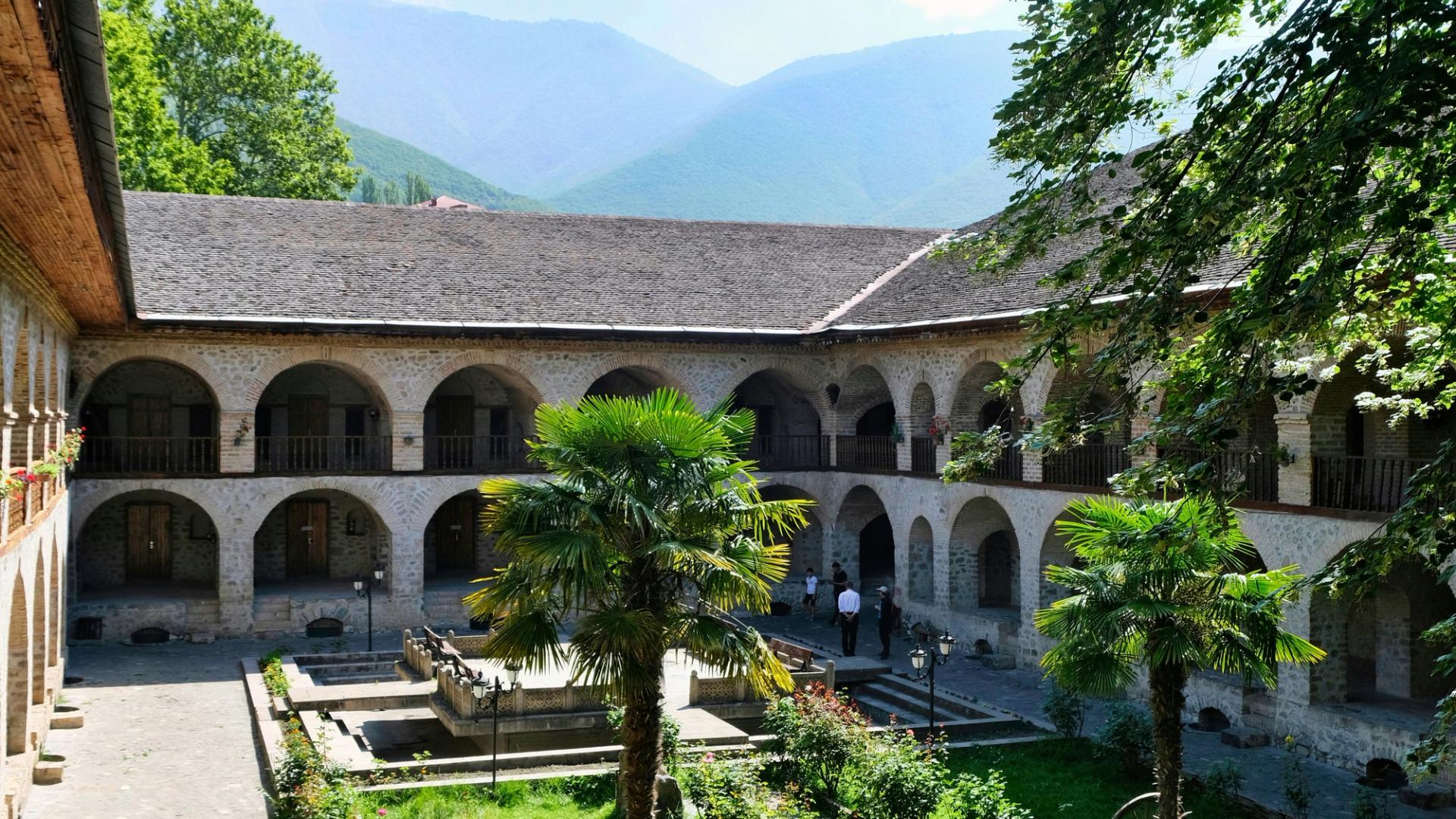
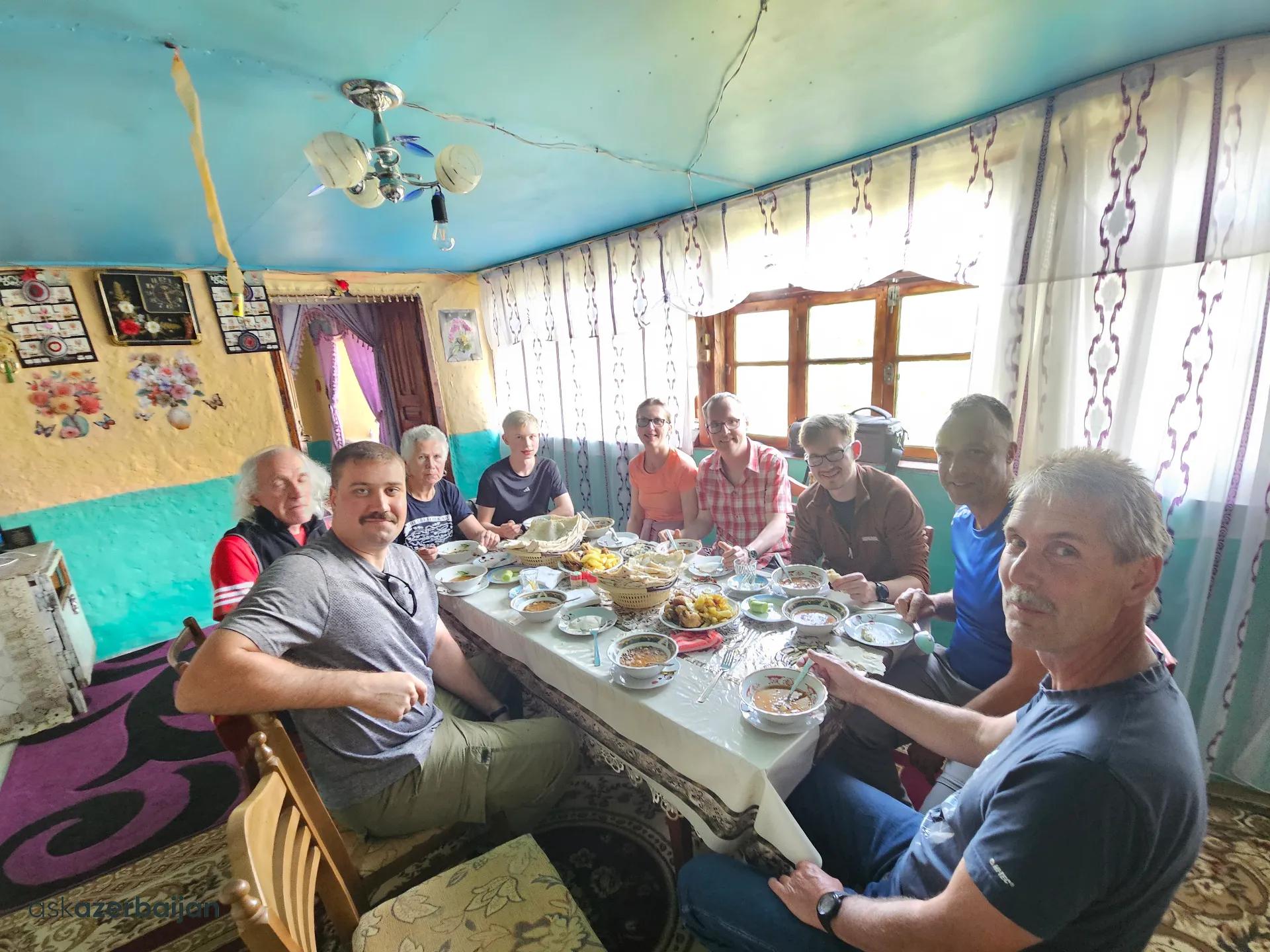
Photo by AskAzerbaijan
For centuries, Azerbaijan stood at the crossroads of great civilizations, linking the East and West through the legendary Silk Road. Merchants, scholars, and explorers once traveled across its diverse landscapes — from the Caspian Sea coast to the Caucasus Mountains — bringing goods, ideas, and traditions that shaped global trade and culture. This vibrant exchange gave rise to the construction of magnificent caravanserais, the roadside inns that welcomed traders and travelers along these routes.
Recognized for its strategic position between Europe and Asia, Azerbaijan became a key hub of commerce and diplomacy during the medieval era. The Silk Road in Azerbaijan was more than a trade route — it was a cultural bridge that connected empires. Caravanserais like those in Sheki, Baku, and Shamakhi served as vital centers of hospitality and protection, offering rest, safety, and exchange to merchants journeying with silk, spices, and jewels.
Today, these ancient inns still stand as living monuments to Azerbaijan’s Silk Road heritage, inviting visitors to step back in time and experience the charm of a civilization that once thrived on movement, connection, and discovery.
What Are Caravanserais? — The Inns of the Ancient Silk Road
A caravanserai (from the Persian “karwan-saray,” meaning “caravan palace”) was more than just a place to sleep. It was a miniature world for travelers on long trade journeys — a fortress, market, and cultural meeting point in one. Typically built along trade routes at intervals of 30–40 kilometers, these inns provided shelter for traders, their camels, and valuable goods.
Inside, visitors would find spacious courtyards surrounded by two-story arcades, stables on the ground floor, and rooms for merchants above. At night, the caravanserai came alive with the sounds of commerce and conversation — deals made, stories shared, and friendships formed across continents.
In Azerbaijan, caravanserais reflected the country’s unique architectural fusion — combining Persian symmetry, Turkish arches, and local stone craftsmanship. They were designed for endurance and comfort, with thick walls to keep out desert heat and cold mountain winds. For modern travelers, visiting these restored structures offers a rare glimpse into the everyday life of the ancient Silk Road in the Caucasus.
Sheki Caravanserai — The Jewel of the Silk Road
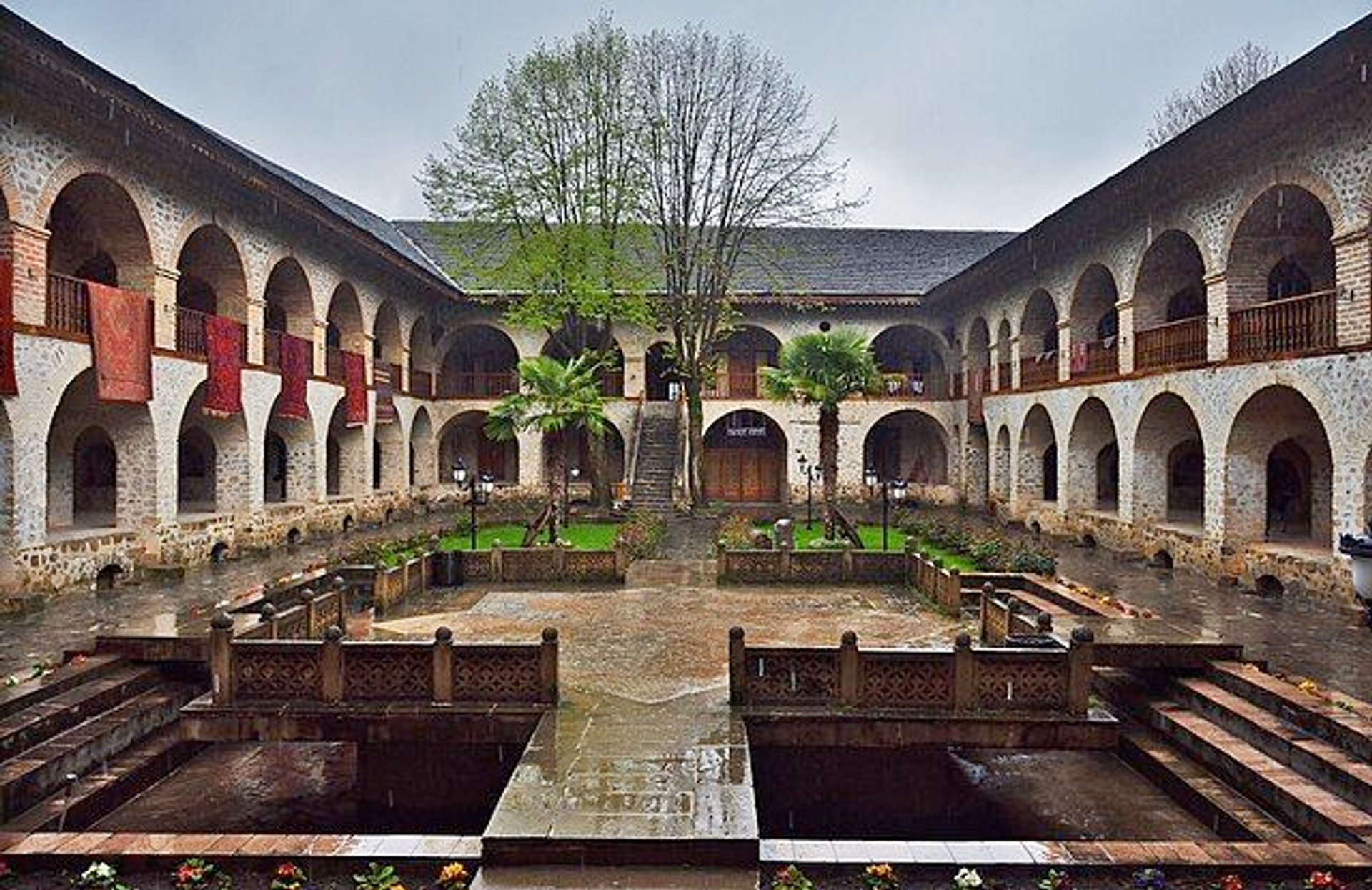
Located in the foothills of the Greater Caucasus, the Sheki Caravanserai is the crown jewel of Azerbaijan’s Silk Road legacy. Built in the 18th century, it once hosted traders arriving from Iran, India, and Central Asia. With its grand stone façade, arched windows, and massive courtyard, Sheki Caravanserai is a masterpiece of Caucasian architecture.
Today, it has been restored into a boutique hotel, where visitors can spend the night in historic rooms once used by merchants. Staying here feels like reliving a page from Silk Road history — the echo of hooves, the fragrance of spices, and the quiet charm of Sheki’s cobblestone streets still linger in the air.
Bukhara & Multani Caravanserais, Baku — Where Cultures Met
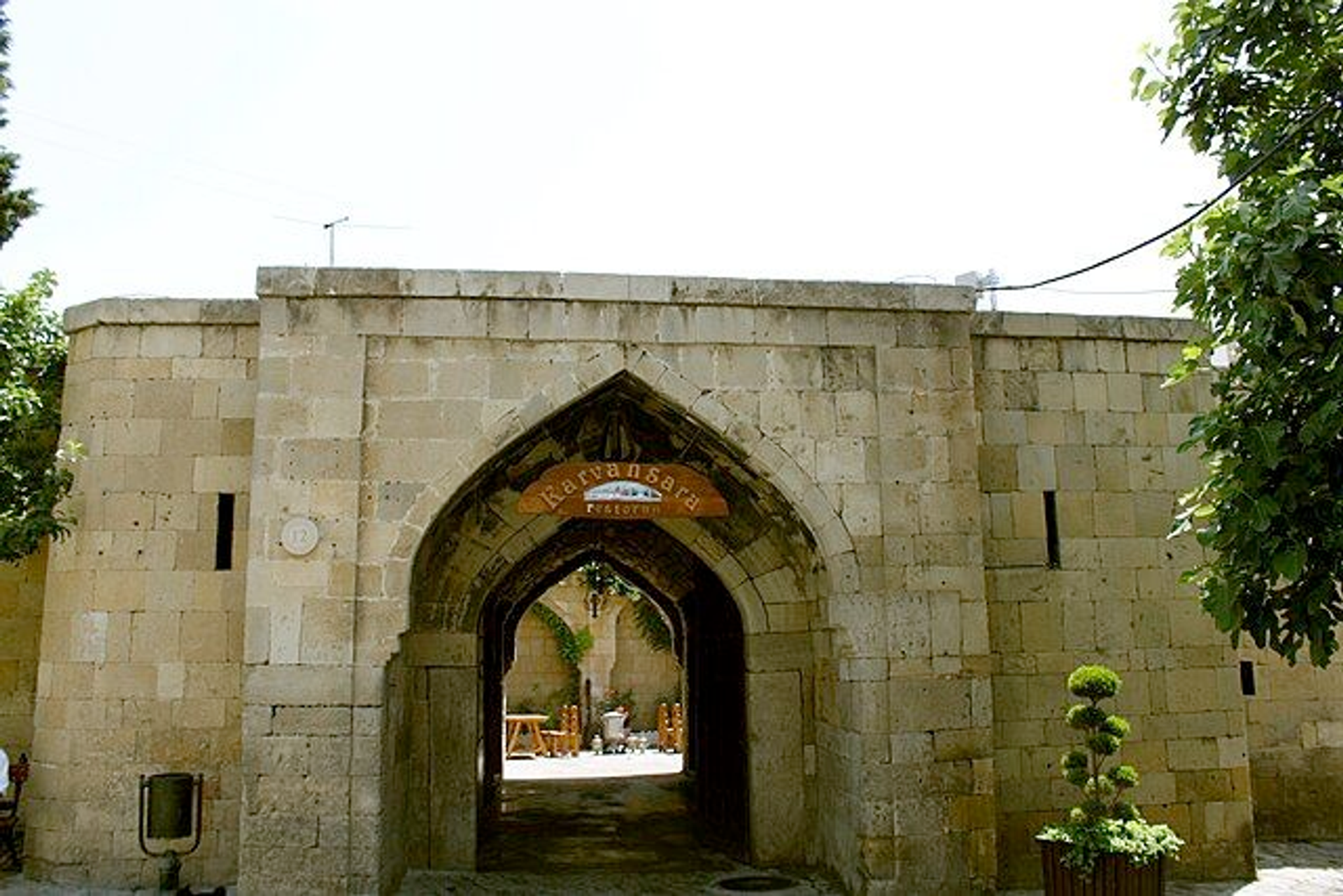
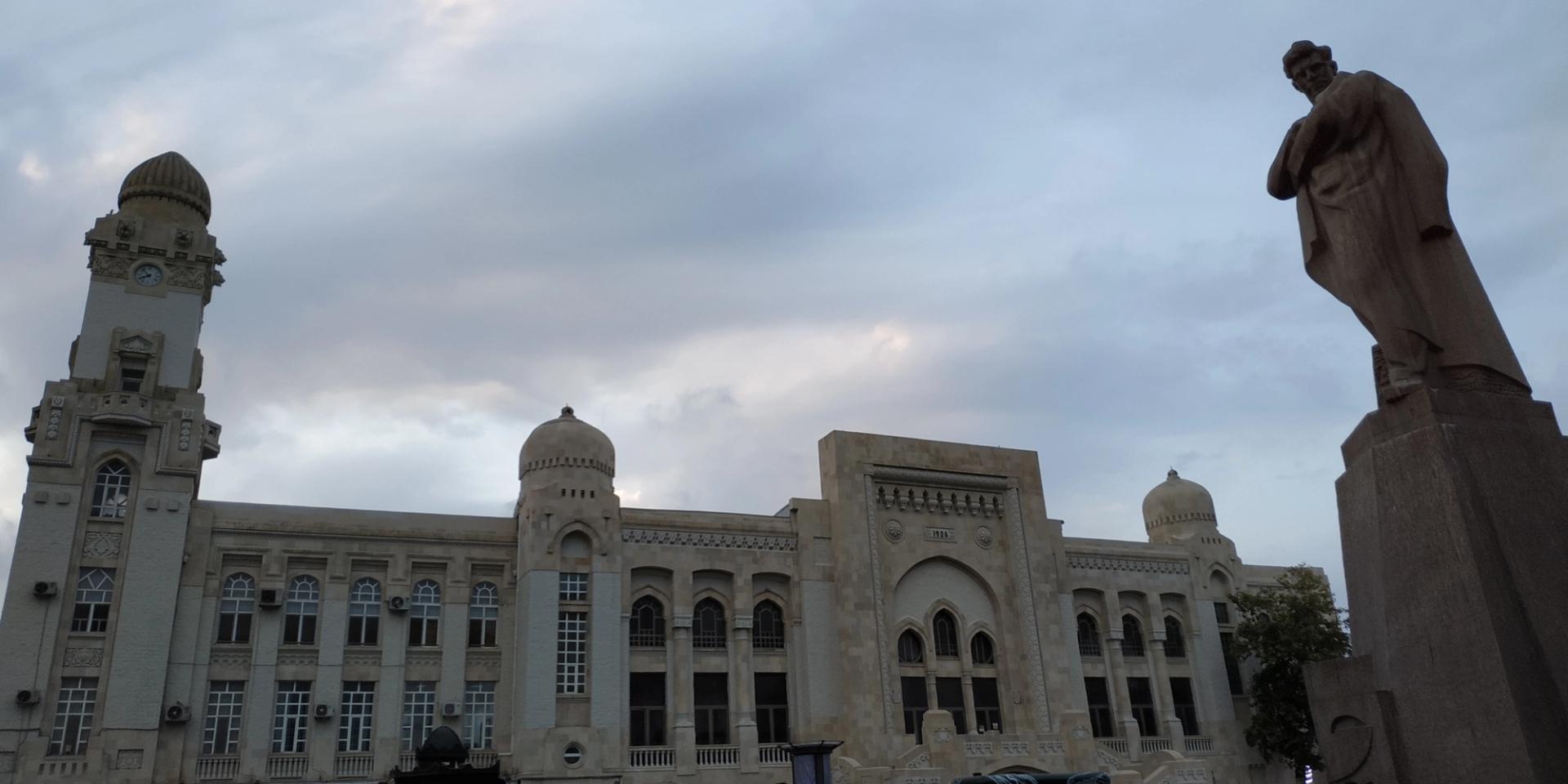
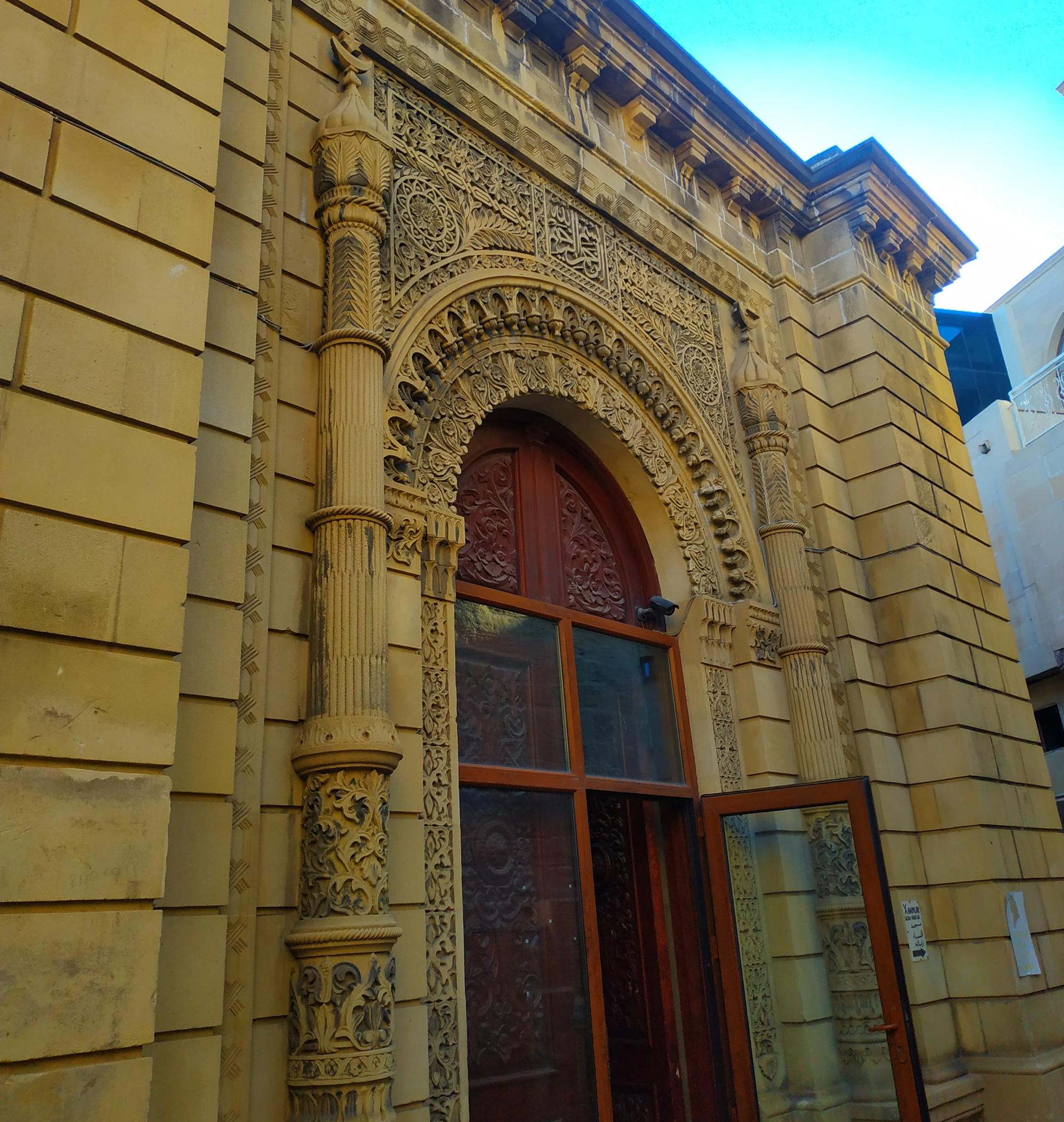
In the heart of Baku’s Old City (Icherisheher), the Bukhara and Multani Caravanserais stand as twin testaments to the city’s cosmopolitan past. Built in the 15th–17th centuries, these inns hosted traders from Central Asia and India, respectively. The Bukhara Caravanserai’s domed chambers and narrow arches echo the design of its namesake in Uzbekistan, while the Multani Caravanserai reflects South Asian influences.
Today, these historic inns house art galleries and traditional restaurants, creating a bridge between ancient commerce and modern creativity — a must-visit stop for anyone exploring Baku’s Silk Road heritage.
Shamakhi & Ganja Caravanserais — Hidden Treasures
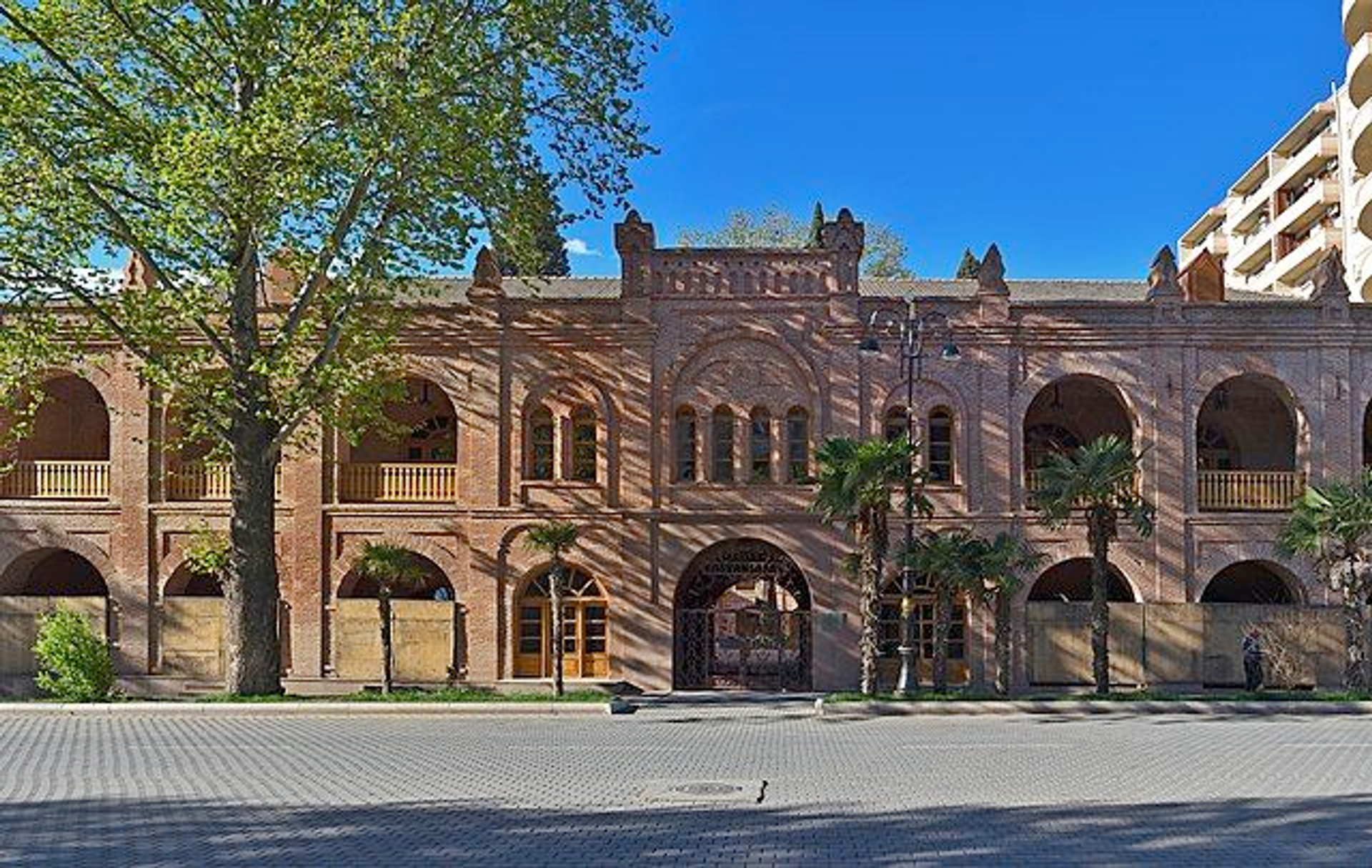
Beyond the major cities, smaller but equally charming caravanserais can be found in Shamakhi and Ganja. These lesser-known gems offer travelers a more intimate experience of Azerbaijan’s historic trade routes. Many are nestled in lush valleys or along ancient roads that once linked caravans heading toward Georgia and the Caspian Sea.
Exploring these sites reveals how Azerbaijan’s caravan culture extended far beyond major trade centers — creating a network that shaped the nation’s identity as a Silk Road crossroads.
Architecture and Design — The Beauty of Functionality
The architecture of Azerbaijan’s caravanserais stands as a perfect harmony between form and function. Built to serve merchants, their animals, and goods, these structures were designed with practicality and safety in mind — yet they display remarkable artistry. A typical caravanserai featured a rectangular or square courtyard, surrounded by arched galleries and domed chambers. The thick stone walls helped maintain a comfortable indoor temperature during both summer heat and winter cold.
Architectural influences from Persian, Turkish, and Caucasian cultures can be seen in every detail — from intricate brickwork and geometric ornaments to wooden balconies and carved stone motifs. Every caravanserai reflected the regional materials and craftsmanship available at the time, creating a unique identity for each.
Modern restoration projects have preserved these historic inns, allowing visitors to experience the same sense of wonder that traders once felt centuries ago. The Sheki Caravanserai, for example, retains its original two-story layout and stone corridors, while Bukhara Caravanserai in Baku has been transformed into a space for art exhibitions and cultural gatherings. These buildings aren’t just architectural marvels; they’re living museums of Azerbaijan’s Silk Road past.
Caravanserais Today — From Trade Inns to Heritage Hotels
Many of Azerbaijan’s ancient caravanserais have been reborn as heritage hotels and museums, blending history with modern comfort. The Sheki Caravanserai Hotel, one of the most famous, lets guests sleep in centuries-old chambers while enjoying modern amenities. Imagine waking up surrounded by arches that once echoed with the footsteps of silk traders, spice merchants, and travelers from across the world — it’s an experience like no other.
In Baku’s Old City, the Bukhara and Multani Caravanserais now house traditional tea houses and handicraft shops, offering visitors a taste of old-world hospitality. Meanwhile, in Ganja and Shamakhi, smaller caravanserais have been converted into cultural centers where artisans demonstrate weaving, pottery, and metalwork — crafts once traded along the Silk Road itself.
Through restoration and preservation, these structures have found new purpose in the modern age, allowing travelers to connect directly with Azerbaijan’s past. For cultural explorers, staying in a Silk Road caravanserai is more than accommodation — it’s time travel.
Plan Your Silk Road Journey with Trip8
With Trip8, exploring the caravanserais of Azerbaijan becomes simple, seamless, and unforgettable. Trip8 is the country’s first innovative digital travel platform, connecting travelers with verified local agencies that specialize in cultural and heritage tours. Whether you dream of wandering through the Sheki Caravanserai, enjoying a tea ceremony in Baku’s Old City, or following the ancient Silk Road trail to Shamakhi, Trip8 allows you to personalize your journey in minutes.
Here’s how it works:
- Create your travel request — select destinations, dates, and experiences (like caravanserais, historical landmarks, and local cuisine).
- Receive tailored offers from Trip8’s network of trusted travel partners.
- Compare and book — choose the offer that fits your style and budget, with secure online payment.
Every itinerary is crafted with comfort and authenticity in mind. Whether you’re an independent traveler or part of a group tour, Trip8’s heritage routes connect ancient trade cities across Azerbaijan, allowing you to relive the Silk Road with modern ease.
Trip8 Travel Tip
The best time to explore Azerbaijan’s Silk Road caravanserais is between April and October, when the weather is mild and landscapes are vibrant. A 2–3 day route from Baku to Sheki via Shamakhi and Ganja offers the perfect cultural immersion — combining historic architecture, traditional cuisine, and scenic countryside.
Pack a camera, comfortable walking shoes, and a curiosity for history. Many caravanserais feature hidden courtyards, antique inscriptions, and photo-worthy details that reflect centuries of craftsmanship. For the best experience, book a guided cultural tour through Trip8, where local experts bring each location’s story to life.
Book Your Silk Road Heritage Tour Today
Step into history and follow the paths once taken by merchants and explorers on the Silk Road of Azerbaijan. From the timeless elegance of Sheki Caravanserai to the ancient charm of Baku’s Old City, every stop on this journey unveils a chapter of a civilization built on trade, hospitality, and cultural exchange.
With Trip8, booking your Silk Road heritage tour is effortless — enjoy verified local guides, secure online payments, and customizable travel packages designed to match your interests. Whether you’re tracing caravan routes, tasting traditional Azerbaijani dishes, or staying in a centuries-old inn, Trip8 ensures a journey that blends authenticity with comfort.
Rediscover the Silk Road — travel through time, culture, and architecture with Trip8.
Start your heritage adventure in Azerbaijan today!